
Biologics Facility Design for Operational Excellence
Discover how biologics manufacturers can design scalable facilities that drive operational excellence, startup readiness, digital intelligence, and growth.
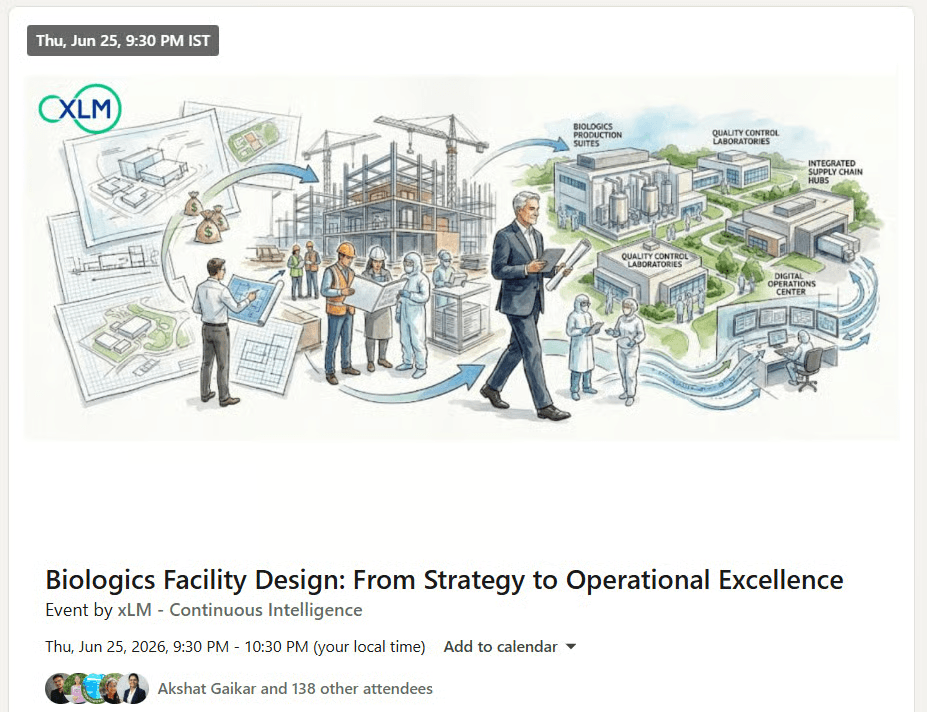
1.0. Why the Next Generation of Biologics Manufacturing Requires a New Facility Design Strategy
The biologics industry is experiencing rapid growth and transformation. Advances in cell and gene therapies, rising demand for complex biologics, faster development timelines, and evolving global supply chains reshape how organizations approach manufacturing capacity and operational readiness.
As organizations invest in new facilities, expansions, and modernization, the focus extends beyond compliance and construction milestones. Today's leaders ask a crucial question:
How can manufacturing facilities become strategic assets that enable long-term operational excellence, business agility, and sustainable growth?
Facility projects traditionally focused on regulatory compliance, budget adherence, and startup timelines. While still important, these no longer suffice in an industry where manufacturing performance, scalability, speed to market, and resilience directly impact business outcomes.
Decisions during facility planning and facility design affect manufacturing performance long after construction. Facility layouts, process integration, digital infrastructure, workforce planning, startup strategies, and operational readiness programs determine site effectiveness once commercial manufacturing begins.
The challenge today is not just building compliant facilities but designing manufacturing environments that deliver lasting operational value.
To explore this, xLM Continuous Intelligence hosts an exclusive LinkedIn Live with Peter Vilby, a biopharma operations leader and advisor experienced in global supply chain transformation, facility integration, startup readiness, capital programs, and operational excellence across regulated manufacturing.
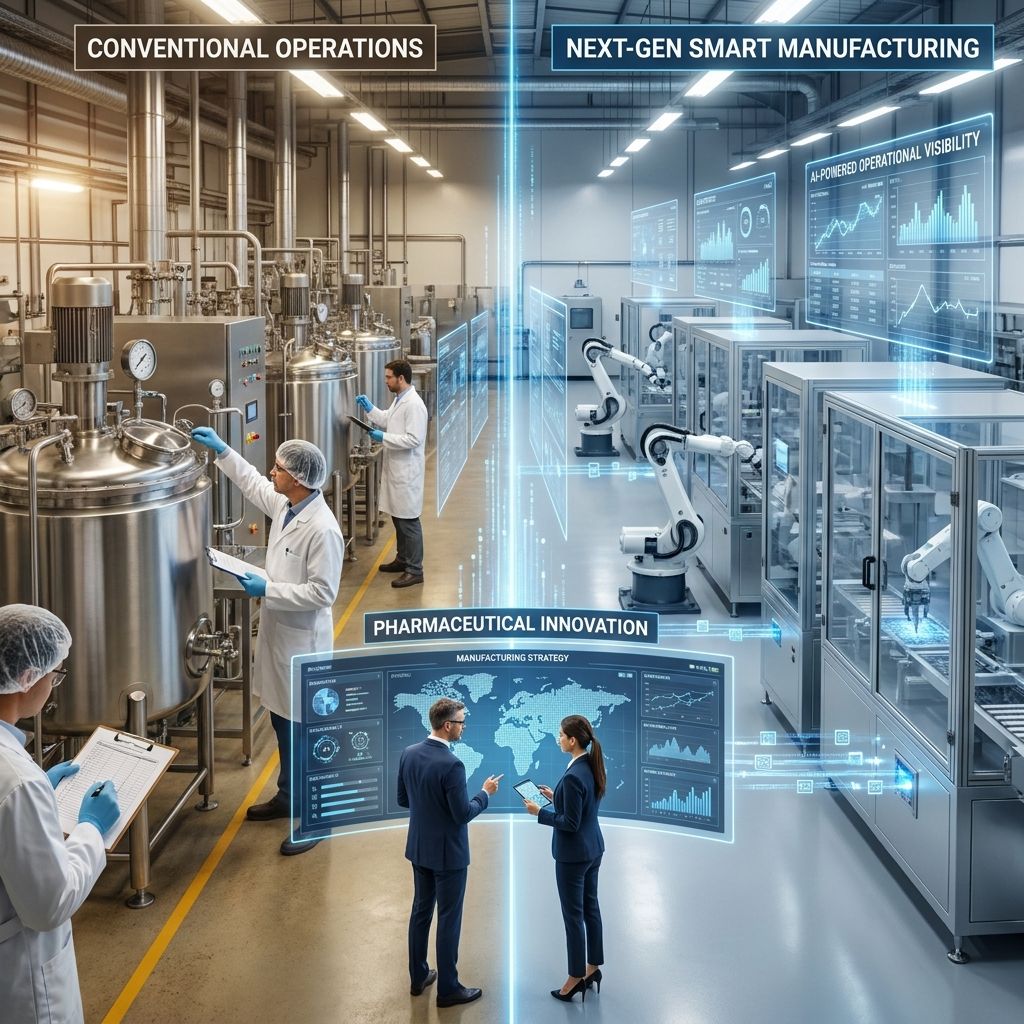
Learn How Future-Ready Biologics Facilities Drive Operational Excellence
2.0. A Candid Conversation: No Slides, No Scripts
Unlike traditional webinars, this LinkedIn Live session is an unscripted, presentation-free discussion.
This format creates a transparent, engaging discussion based on real experience rather than theory.
The discussion will explore how successful organizations link facility design decisions to long-term operational performance and strategic business outcomes.
3.0. About the Speaker :Peter Vilby
Peter Vilby is a biopharmaceutical operations executive with extensive experience leading global manufacturing through growth, transformation, and operational change.
He has held senior roles overseeing global supply chain, strategic operations, facility integration, manufacturing performance, organizational development, and capital projects.
As former Global Senior Vice President of Strategic Operations and Senior Vice President of Global Supply Chain at AGC Biologics, Peter guided facility expansions, operational integrations, startup readiness, and global manufacturing transformations supporting growth across regions.
His experience covers the entire manufacturing lifecycle, from planning and execution to startup readiness, optimization, and organizational development.
Today, Peter advises on strategic operations, leadership development, and manufacturing transformation, helping leaders manage complex scaling challenges while ensuring performance, quality, and compliance.
His blend of strategic leadership and operational expertise provides insights into what distinguishes successful facility projects from those that fall short.
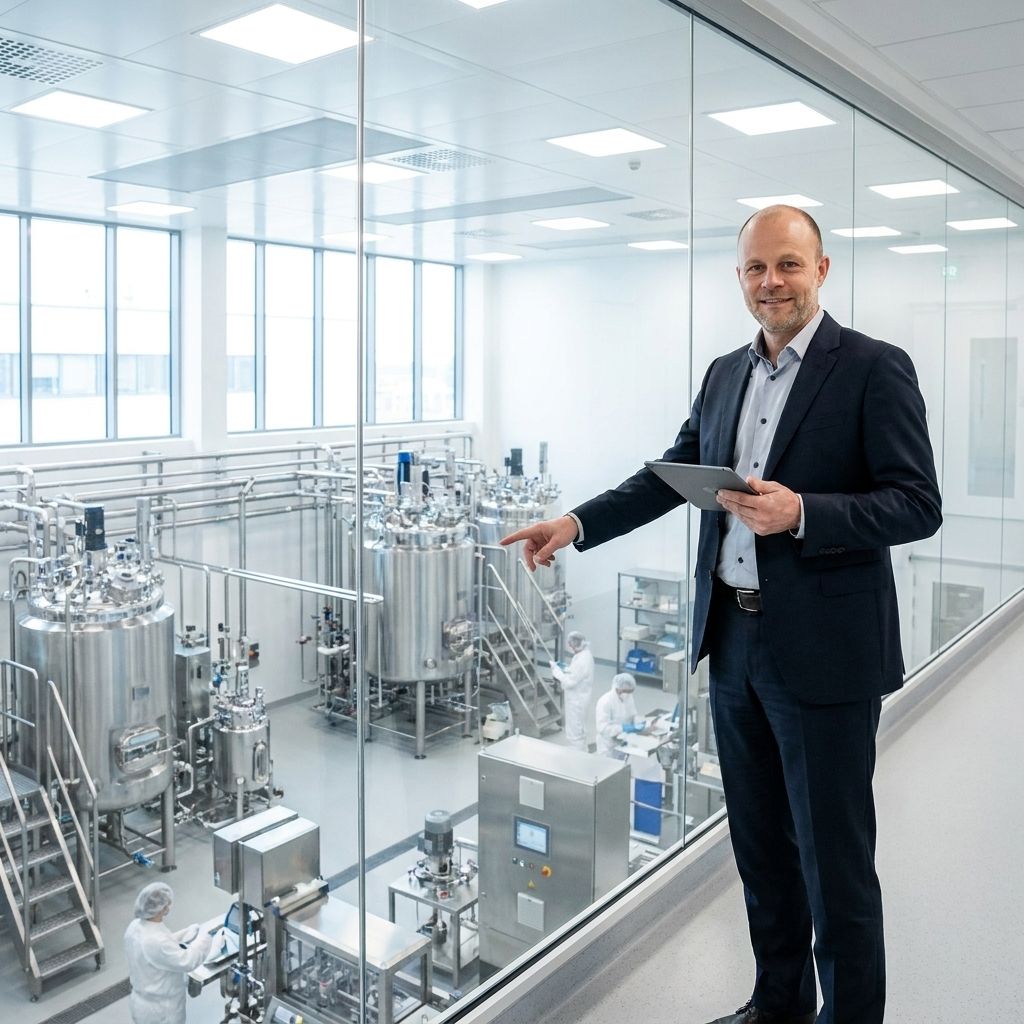
4.0. Why Traditional Facility Design Approaches Are No Longer Enough
For decades, facility projects focused on engineering, compliance, and construction goals. Organizations ensured facilities met regulations, supported manufacturing, and passed qualification milestones. After commissioning and validation, operations teams delivered manufacturing performance.
However, manufacturing has changed dramatically. Modern biologics facilities operate in dynamic environments characterized by:
- Increasing process complexity
- Rapid technological innovation
- Globalized supply chains
- Workforce shortages and evolving talent needs
- Rising operational costs
- Pressure to accelerate product availability
- Growing demands for agility and scalability
Organizations can no longer treat facility design, operational readiness, workforce development, and business strategy separately.
A facility may be compliant and commissioned but still face startup delays, inefficient workflows, organizational silos, resource constraints, and operational bottlenecks that hinder long-term performance.
Successful organizations design operational excellence into the facility from the start, not after startup.
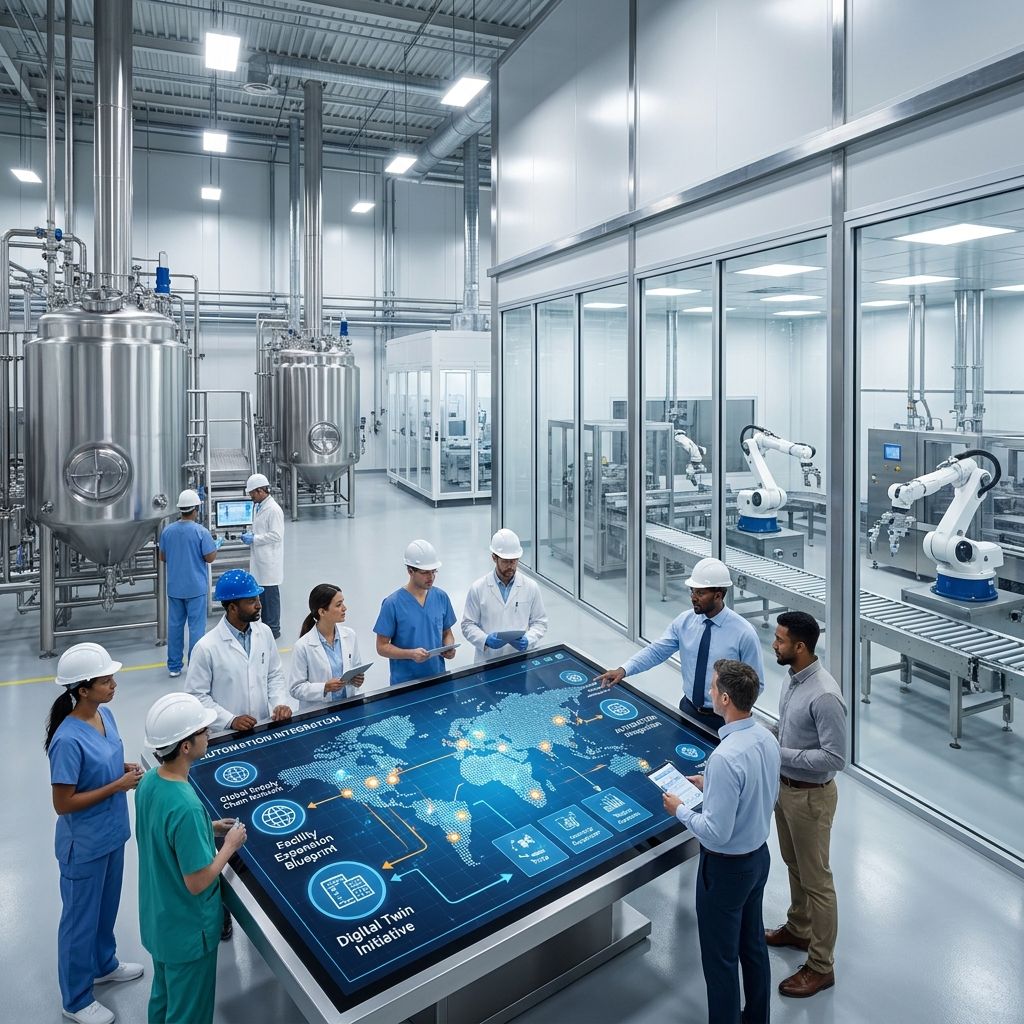
5.0. Beyond Facility Construction: Building Operational Readiness Early
Facility readiness and operational readiness differ significantly. While engineering, commissioning, qualification, and validation receive much focus, organizations often underestimate preparing people, processes, systems, and leadership for successful operations.
Workforce readiness, process ownership, technology adoption, knowledge transfer, and organizational alignment challenges often arise near startup.
These issues can delay manufacturing ramp-up, reduce performance, and lower efficiency. Leading organizations adopt lifecycle approaches that integrate operational readiness into facility planning from the start.
This includes assessing:
- Workforce skills and organizational structure
- Manufacturing workflows and process integration
- Digital infrastructure needs
- Cross-functional collaboration models
- Leadership accountability and governance
- Long-term scalability needs
- Future business growth and product portfolio requirements
Addressing these early reduces execution risk and improves the chance of meeting operational goals after startup.

Discover Startup Readiness and Facility Scalability Strategies
6.0. Leadership's Role in Manufacturing Transformation
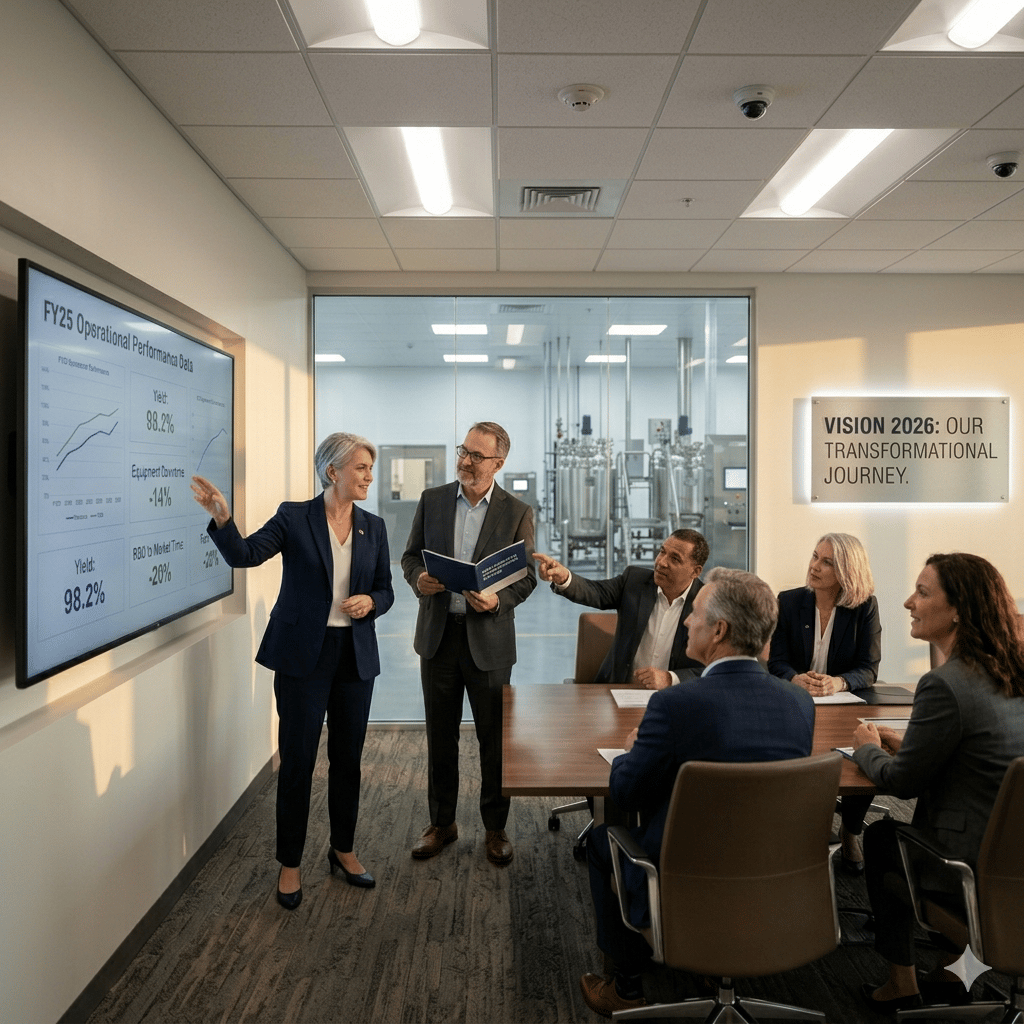
While facility design and technology investments receive attention, manufacturing transformation depends on leadership. As manufacturing grows complex and organizations seek agility, leaders face critical decisions about capital investment, organizational design, workforce strategy, business growth, and operational excellence.
Aligning these priorities often determines whether a facility becomes a competitive advantage or an operational constraint. Effective leaders know operational excellence goes beyond equipment and processes. It requires building adaptable organizations that embrace innovation and continuous improvement.
This involves fostering collaboration among engineering, operations, quality, supply chain, and digital transformation teams while aligning with business goals.
Drawing on decades of experience, Peter shares practical insights on building leadership capabilities to support manufacturing transformation while maintaining stability and compliance.
7.0. Digital Intelligence and the Future of Biologics Manufacturing
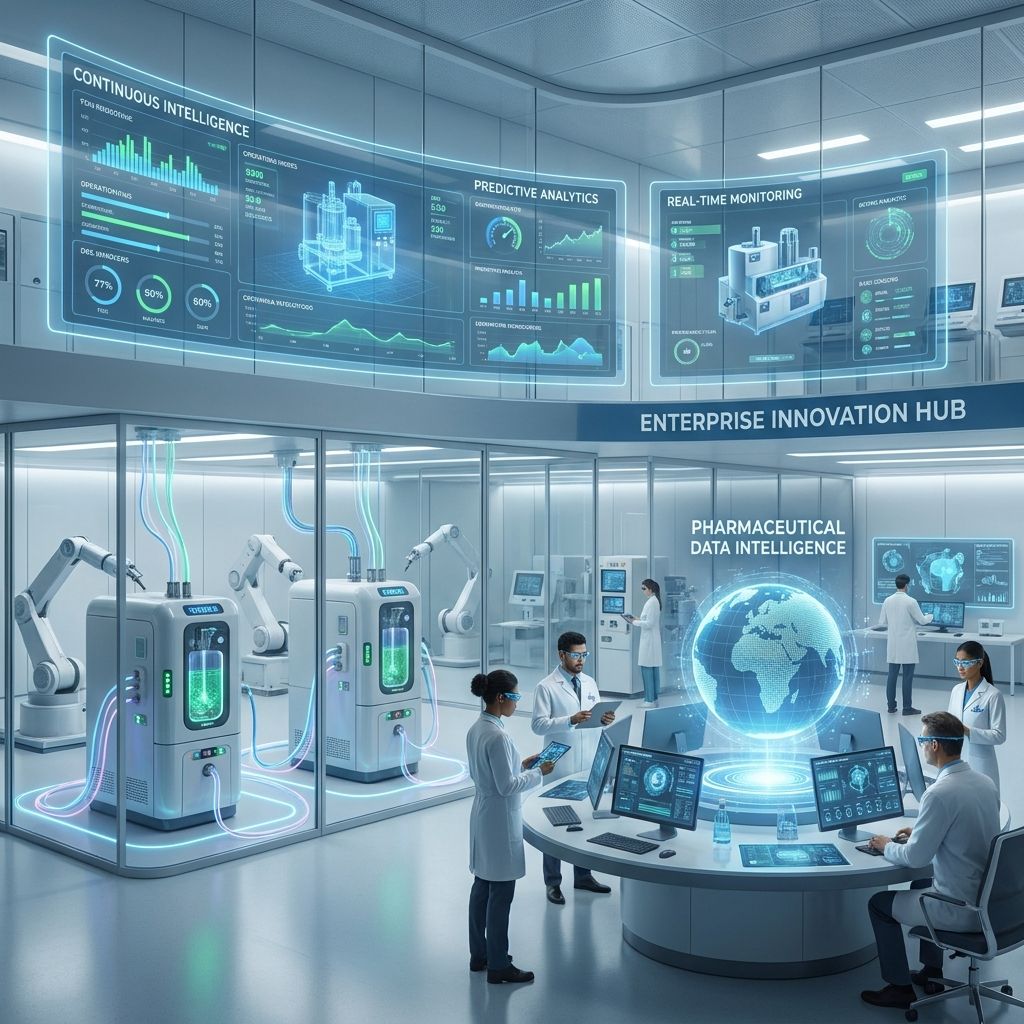
As biologics manufacturing becomes more connected, digital intelligence becomes vital to facility strategy.
Organizations access vast operational data from manufacturing systems, utilities, equipment, environmental monitoring, supply chains, and quality processes.
The challenge is no longer data collection.
The challenge is turning data into actionable intelligence to improve decisions and drive performance.
Leading organizations are leveraging digital intelligence, advanced analytics, and connected manufacturing technologies to gain greater operational visibility, accelerate issue detection and response, improve asset performance, optimize resource utilization, strengthen risk management, and enhance manufacturing reliability. By transforming operational data into actionable insights, these organizations are empowering leaders to make faster, more informed decisions that drive operational excellence, improve business agility, and support long-term manufacturing performance.
At xLM-Continuous Intelligence, we believe manufacturing's future lies in linking operational data, advanced analytics, and human expertise to create continuous intelligence enterprise-wide.
Facilities designed with digital intelligence better support operational excellence, continuous improvement, and scalability.
8.0. Who Will Benefit Most From This Conversation?
This discussion targets professionals shaping the future of manufacturing operations. Whether evaluating new facility investments, leading facility expansions, supporting technology transfers, preparing for commercialization, or driving operational transformations, this conversation offers valuable insights for navigating today's complex manufacturing environment.
It is especially valuable for those responsible for:
- Manufacturing operations and site performance
- Engineering, facilities, and technical operations
- Capital project planning and execution
- Commissioning, qualification, and validation programs
- Supply chain strategy and operational readiness
- Digital transformation and smart manufacturing initiatives
- Operational excellence and continuous improvement programs
- Manufacturing strategy and business growth planning
The conversation is especially relevant for executives, directors, and senior leaders aiming to align facility investments with long-term operational and business goals.
9.0. Join the Live Conversation
The future of biologics manufacturing belongs to organizations that see facilities as more than physical infrastructure. Successful manufacturers design facilities that enable operational agility, accelerate startup readiness, support digital innovation, and sustain business growth.
As organizations invest in new manufacturing capabilities, aligning facility strategy, operational readiness, leadership, and digital transformation becomes a key competitive advantage.
If your organization plans manufacturing investments, evaluates facility expansions, or seeks to improve manufacturing performance, this conversation offers a unique opportunity to learn from an experienced operations leader.
📅 LinkedIn Live Event
July 30, 2026 | 12:00 PM EST
Biologics Facility Design: From Strategy to Operational Excellence
Featuring
Peter Vilby – Advisor & Leadership Coach
Hosted by
Nagesh Nama – CEO, xLM Continuous Intelligence
This unscripted, presentation-free podcast-style discussion is a timely conversation for pharmaceutical leaders seeking to improve manufacturing agility, strengthen supply chain resilience, and implement digital and AI-driven capabilities while maintaining GxP and regulatory rigor.
👉 Reserve your spot to join the live conversation and gain practical lessons from leaders at the forefront of next-generation pharmaceutical manufacturing.
Gain Expert Insights on Biologics Facility Design and Manufacturing Excellence
10.0. Explore More xLM ContinuousTV Events
- GxP in the Age of AI: Real-World Perspectives from Pharma IT & Mfg
with Bob Buhlmann, Head of Quality Digital and Computer Strategy at AstraZeneca - AI in Pharma R&D: An AI Conversation with Larry Puderbach, AVP, Merck
- The Board's View of Quality Risk: Governance, Al, and the New cGMP Playbook with Michael Magee, Quality, Regulatory & Board Advisor
About the Author

About Nagesh Nama
Nagesh Nama is the Founder and CEO of xLM Continuous Intelligence and ValiMation, bringing nearly 30 years of experience in AI-driven GxP compliance, computer system validation, and regulatory technology for the life sciences industry. A recognized thought leader, he pioneered the industry's first Continuous Validation platform supporting compliant IaaS, PaaS, and SaaS environments under 21 CFR Part 11 and Annex 11. His work focuses on advancing intelligent validation, AI-powered compliance, predictive maintenance, temperature mapping, and GxP AI agents to help pharmaceutical, biotechnology, and medical device organizations accelerate digital transformation while maintaining continuous compliance. Nagesh is a member of the Forbes Technology Council and the Fast Company Executive Board, a contributor to Forbes and Fast Company, and has been featured by Microsoft for his work in AI agents.