Continuous Data Integrity Posture Management (cDIPM)
Discover how xLM and Sentra’s Continuous Data Integrity Posture Management (cDIPM) ensures real-time data trust, compliance, and resilience for Industry 4.0.
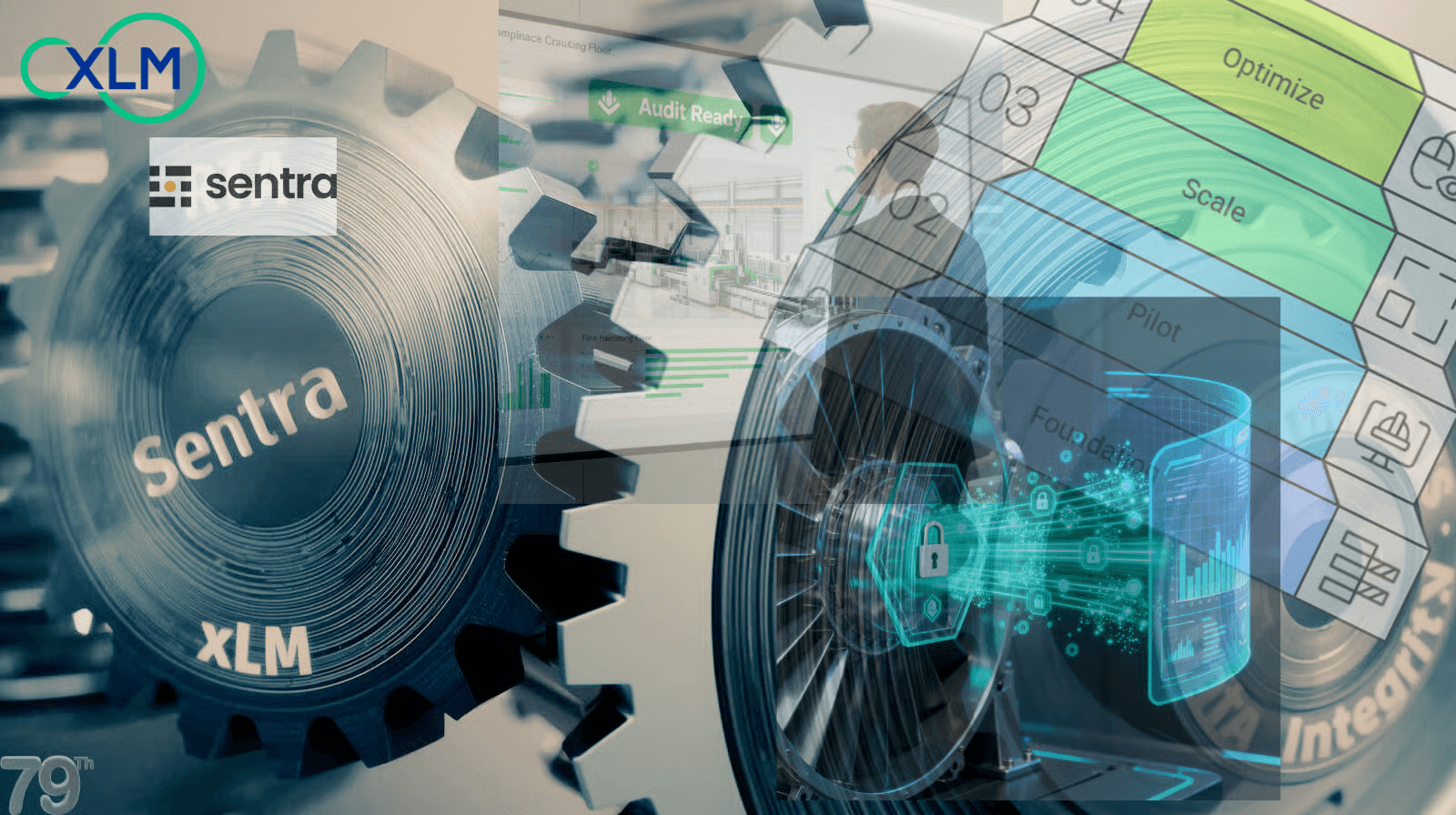
1.0. Introduction
In today’s industrial world, data drives decision-making, compliance, and innovation. As organizations expand Industry 4.0 initiatives, predictive maintenance, and AI insights, one challenge remains: Can you trust your data continuously, at scale, and under regulatory scrutiny?
xLM, in partnership with Sentra, introduces a new paradigm: Continuous Data Integrity Posture Management (cDIPM).
Ready to Implement Continuous Data Integrity Posture Management (cDIPM)?
2.0. Why cDIPM Now?
Traditional data governance and one-off audits no longer suffice. Data streams in real time from sensors, SCADA systems, cloud platforms, and AI pipelines. Risks like drift, misclassification, or unauthorized access can harm operations, compliance, and business outcomes.
With cDIPM, xLM combines its Continuous Intelligence portfolio and Sentra’s DSPM capabilities to provide a continuously validated, proactive, and auditable data integrity framework. This is a core operating layer for trusted industrial data.
ALCOA+ principles at the core:
- Attributable: link every dataset to its generator.
- Legible: record data in permanent, clear formats.
- Contemporaneous: capture data at the time of generation.
- Original: preserve source records or certified true copies.
- Accurate: validate and verify at every stage.
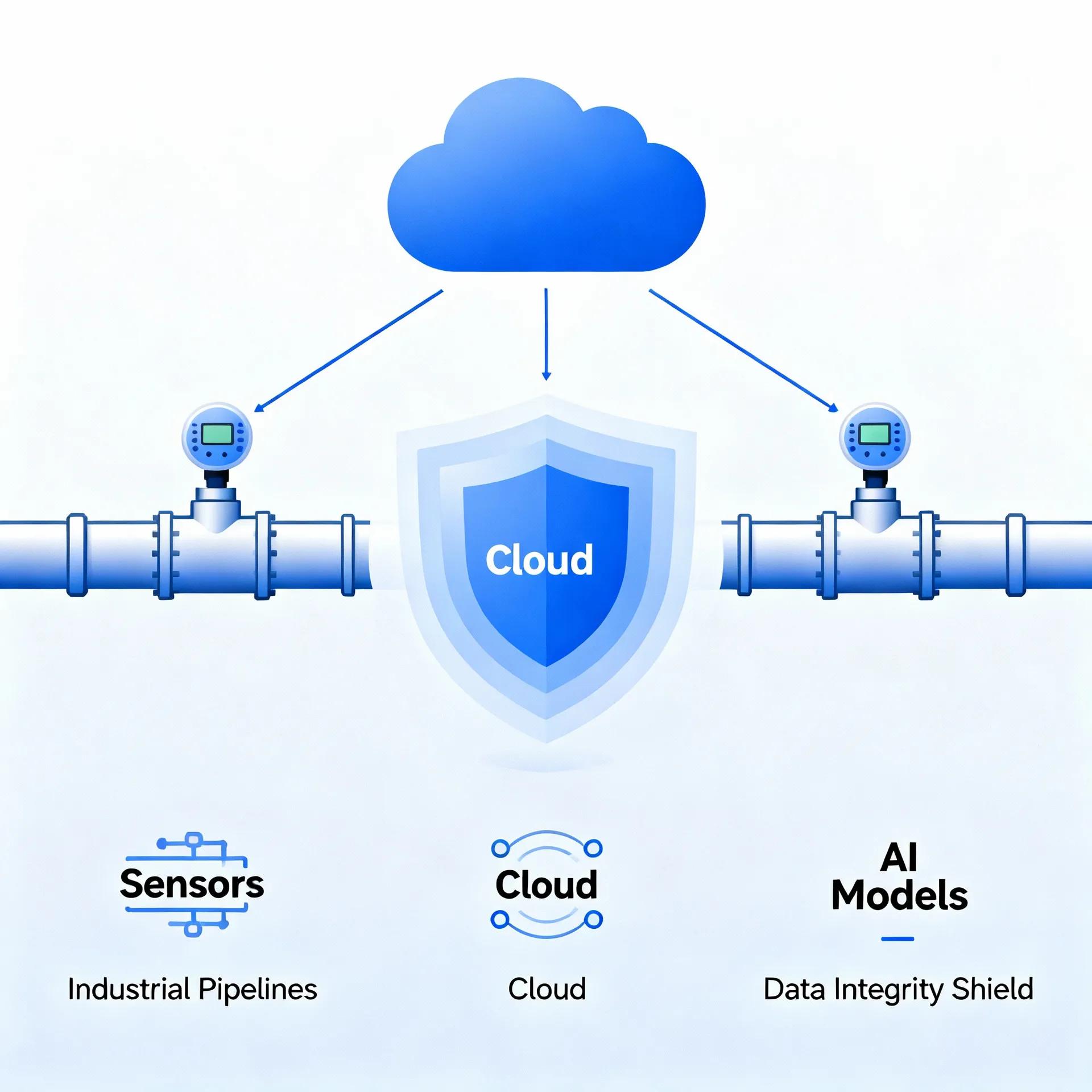
Complementing ALCOA+, cDIPM enforces Complete, Consistent, Enduring, and Available data throughout its lifecycle.
3.0. What is Continuous Data Integrity Posture Management (cDIPM)?
cDIPM is an operational framework that continuously ensures the integrity, provenance, security, and availability of industrial and enterprise data.
It embeds continuous validation loops into data pipelines, ensuring every dataset, model input, and analytic output is trustworthy.
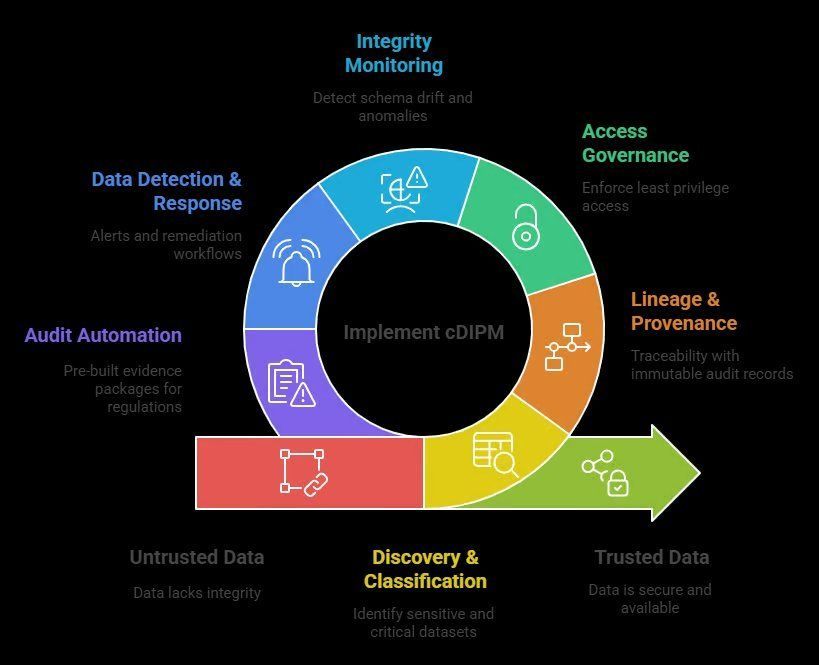
Key pillars include:
- Discovery & classification: auto-identify sensitive and critical datasets across OT, IT, and cloud.
- Lineage & provenance: end-to-end traceability with immutable audit records.
- Access governance: enforce least privilege and detect permission drift in real time.
- Integrity monitoring: detect schema drift, validate checksums, and monitor anomalies in streaming data.
- Data detection & response (DDR): instant alerts and remediation for suspicious access or exfiltration.
- Audit automation: pre-built evidence packages aligned with regulations like GxP, FDA 21 CFR Part 11, GDPR, HIPAA.
Unlike conventional tools, cDIPM operates in real time and is self-reinforcing: the more data it validates, the smarter its controls and classifiers become.
4.0. Deploying the cDIPM Foundation
Start by deploying a validated instance, providing discovery, classification, and continuous monitoring. This establishes data security, lineage, and access requirements from the start.
Key features powering cDIPM:
- Agentless Scanning: non-intrusive, scalable scans across OT, IT, and cloud.
- AI-Enhanced Classification: context-aware classification of PII, PHI, and regulated manufacturing data.
- Risk & Threat Mitigation: proactive detection of exposure risks, misconfigurations, and shadow datasets.
- Data Loss Prevention (DLP): real-time policies preventing unauthorized movement of validated data.
- Data Access Governance: enforce least privilege to maintain attributability and availability.
- Data Catalog Fidelity: centralized catalog with classification, lineage, and validation metadata.
- Continuous Monitoring & Drift Detection: real-time validation ensures datasets remain accurate, consistent, and enduring.
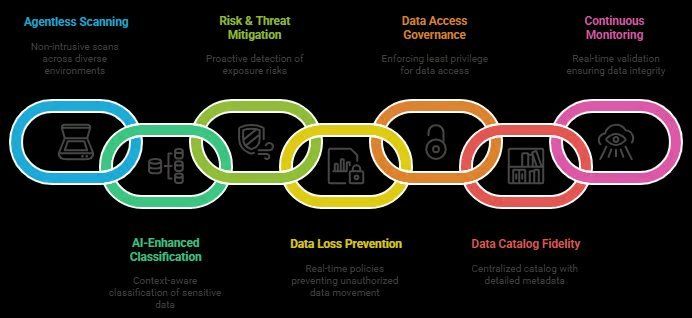
Once deployed, cDIPM ensures the data integrity of OT, IT, and cloud datasets. It automatically detects drift, and “validated datasets” feed xLM’s ContinuousOS apps. Continuous Intelligent Validation (cIV) keeps cDIPM in a validated state, ensuring it is always inspection-ready.
5.0. How cDIPM Works in Practice
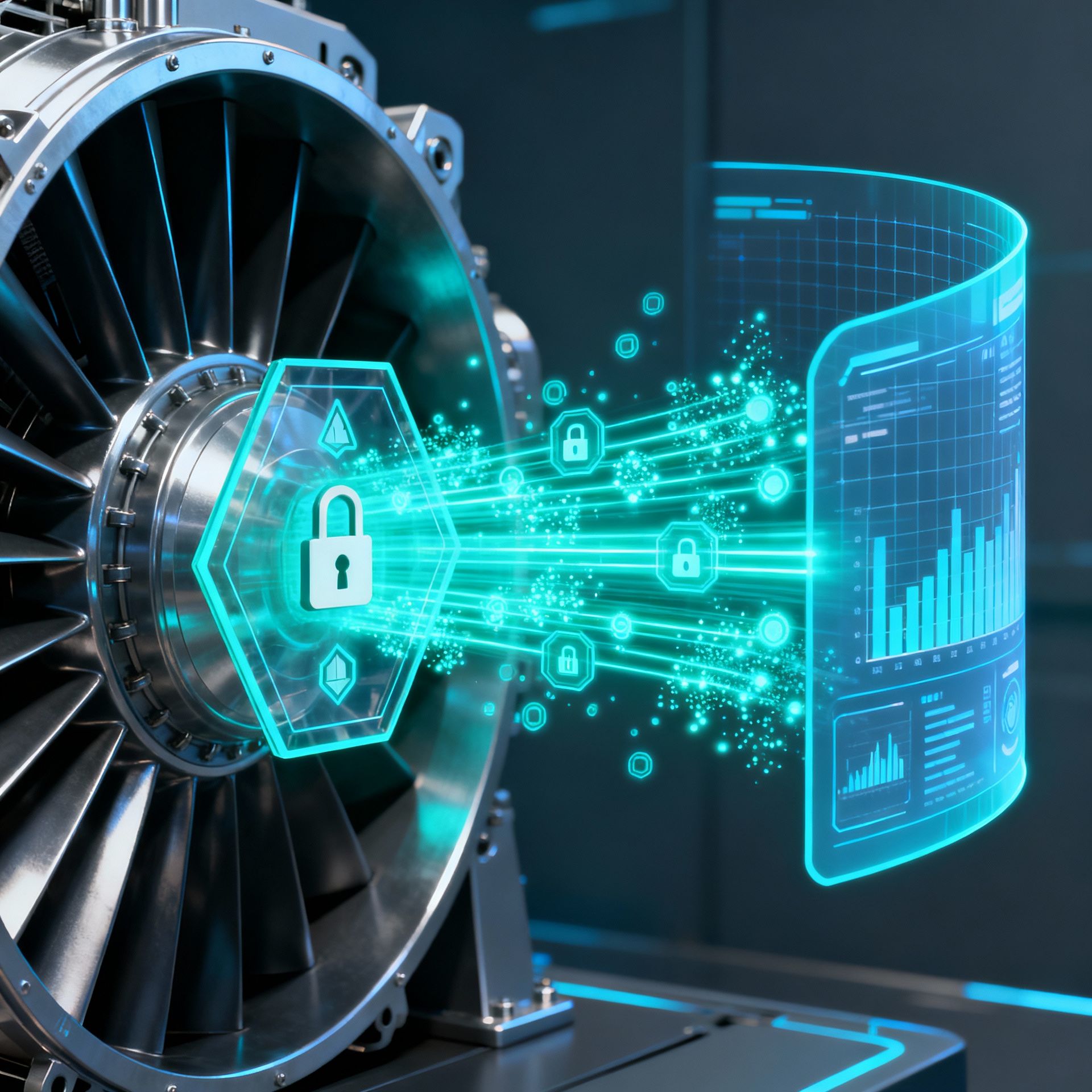
Consider a predictive maintenance model monitoring turbine health:
- Sensors stream telemetry (temperature, vibration, RPM) into cloud storage.
- cDIPM validates incoming data for completeness, schema conformity, and checksum integrity.
- Lineage mapping lets analysts trace every model input to its source timestamp.
- If a permission misconfiguration exposes raw data, DDR triggers automatic remediation, revoking access and alerting the steward.
- During an audit, compliance teams export immutable evidence in minutes, not weeks.
This means the model predicts remaining useful life (RUL) using validated, compliant, and trustworthy data.
6.0. Benefits for Regulated Industries
With cDIPM, organizations gain:
- Regulatory confidence: compliance-by-design with GxP, FDA 21 CFR Part 11, Annex 11
- Operational resilience: reduced downtime by detecting drift and anomalies early.
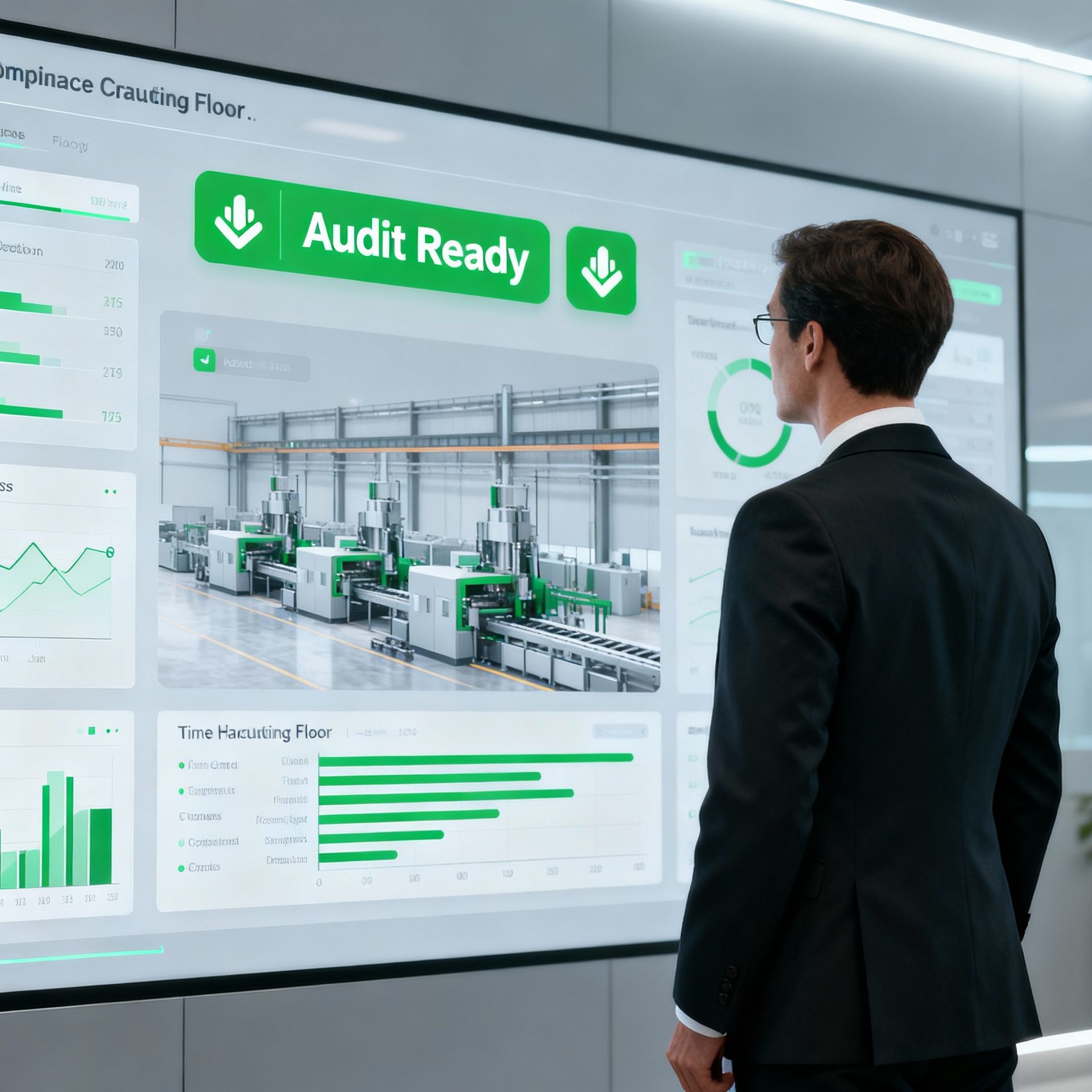
- Faster audits: pre-packaged, tamper-evident evidence delivered in hours.
- Secure innovation: safely scale AI, digital twins, and decision intelligence.
For regulated sectors like life sciences, cDIPM accelerates compliance and trust.
7.0. Roadmap to Adoption
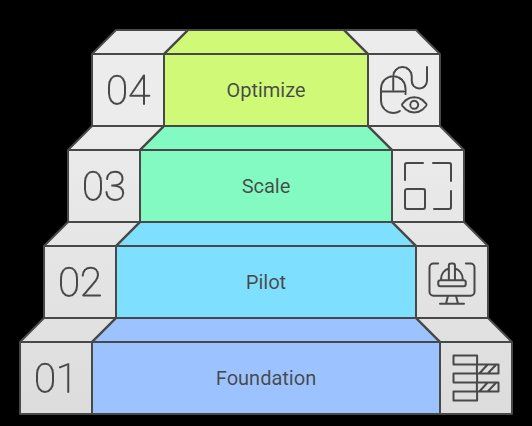
xLM’s cDIPM rollout with Sentra follows a clear path:
- Phase 1 (Foundation): Connect critical data sources, baseline integrity, assign data owners.
- Phase 2 (Pilot): Enable monitoring and DDR for one predictive maintenance model.
- Phase 3 (Scale): Extend across cloud and OT pipelines, integrate IAM and SIEM/SOAR systems.
- Phase 4 (Optimize): Automate remediation playbooks, track KPIs like MTTD and audit readiness.
This roadmap helps enterprises achieve continuous compliance readiness, reduce downtime, and scale AI safely.
8.0. Conclusion & Call to Action
Continuous Data Integrity Posture Management (cDIPM) is more than a framework. It enforces ALCOA+ at scale, continuously. Powered by xLM and Sentra, it turns compliance, resilience, and trust into competitive advantage.
If your organization is ready to embed data integrity into every decision, now is the time to adopt cDIPM.
Ready to Achieve Continuous Data Integrity? Contact Us Today
9.0. FAQs
1. What is Continuous Data Integrity Posture Management (cDIPM)?
Continuous Data Integrity Posture Management (cDIPM) is a new paradigm introduced by xLM, in partnership with Sentra. It is an operational framework designed to continuously ensure the integrity, provenance, security, and availability of industrial and enterprise data. cDIPM achieves this by embedding continuous validation loops into data pipelines, ensuring that every dataset, model input, and analytic output is trustworthy. It functions as a core operating layer for trusted industrial data.
2. Why is Continuous Data Integrity Posture Management (cDIPM) necessary now?
In today's industrial world, data drives decision-making, compliance, and innovation. As organizations expand Industry 4.0 initiatives, predictive maintenance, and AI insights, a major challenge is ensuring continuous data trust, at scale, and under regulatory scrutiny. Traditional data governance and one-off audits no longer suffice because data streams in real time from sensors, SCADA systems, cloud platforms, and AI pipelines. Risks such as drift, misclassification, or unauthorized access can severely harm operations, compliance, and business outcomes.
3. What core data integrity principles does cDIPM enforce?
cDIPM is rooted in the ALCOA+ principles. These principles include:
- Attributable: Linking every dataset to its generator.
- Legible: Recording data in permanent, clear formats.
- Contemporaneous: Capturing data at the time of generation.
- Original: Preserving source records or certified true copies.
- Accurate: Validating and verifying data at every stage..
Complementing ALCOA+, cDIPM ensures data is Complete, Consistent, Enduring, and Available throughout its lifecycle.
4. What are the key pillars of the cDIPM operational framework?
The key pillars defining cDIPM are:
- Discovery & classification: Automatically identifying sensitive and critical datasets across OT, IT, and cloud environments.
- Lineage & provenance: Providing end-to-end traceability with immutable audit records.
- Access governance: Enforcing least privilege and detecting permission drift in real time.
- Integrity monitoring: Detecting schema drift, validating checksums, and monitoring anomalies in streaming data.
- Data detection & response (DDR): Providing instant alerts and remediation for suspicious access or data exfiltration.
- Audit automation: Delivering pre-built evidence packages aligned with various regulations.
5. How does cDIPM leverage technology to ensure continuous integrity?
cDIPM combines xLM's Continuous Intelligence portfolio with Sentra's DSPM capabilities. Key features include Agentless Scanning across OT, IT, and cloud, and AI-Enhanced Classification for context-aware classification of PII, PHI, and regulated manufacturing data. Unlike conventional tools, cDIPM operates in real time and is self-reinforcing, meaning its controls and classifiers improve the more data it validates. Furthermore, Continuous Intelligent Validation (cIV) helps keep cDIPM in a validated state, ensuring it is always inspection-ready.
6. Can you provide a practical example of cDIPM in action?
Consider a predictive maintenance model monitoring turbine health. As sensors stream telemetry data (like temperature and vibration) into cloud storage, cDIPM validates the incoming data for completeness, schema conformity, and checksum integrity. Lineage mapping allows analysts to trace every model input back to its source timestamp. If a permission misconfiguration occurs, exposing raw data, the DDR component triggers automatic remediation (such as revoking access) and alerts the data steward. This ensures that the model predicts remaining useful life (RUL) using validated, compliant, and trustworthy data.
7. Which regulated industries and compliance standards does cDIPM support?
cDIPM provides compliance-by-design for regulated industries, helping organizations adhere to:
GxP, FDA 21 CFR Part 11, GDPR, HIPAA, Annex 11
It is particularly valuable for regulated sectors such as life sciences.
8. What is the typical roadmap for cDIPM adoption?
xLM's cDIPM rollout with Sentra typically follows a clear path:
- Phase 1 (Foundation): Connecting critical data sources, baselining integrity, and assigning data owners.
- Phase 2 (Pilot): Enabling monitoring and Data Detection and Response (DDR) for an initial predictive maintenance model.
- Phase 3 (Scale): Extending the framework across cloud and OT pipelines, and integrating IAM and SIEM/SOAR systems.
- Phase 4 (Optimize): Automating remediation playbooks and tracking key performance indicators (KPIs) like Mean Time To Detect (MTTD) and audit readiness.
9. What are the primary business benefits of adopting cDIPM?
By adopting cDIPM, organizations gain:
- Regulatory confidence through compliance-by-design.
- Operational resilience by reducing downtime through the early detection of anomalies and drift.
- Faster audits due to the ability to export pre-packaged, tamper-evident evidence in minutes or hours.
- Secure innovation, allowing organizations to safely scale AI, digital twins, and decision intelligence.
Ultimately, cDIPM helps enterprises achieve continuous compliance readiness, reduce downtime, and scale AI safely.
About the Author

About Nagesh Nama
Nagesh Nama is the Founder and CEO of xLM Continuous Intelligence and ValiMation, bringing nearly 30 years of experience in AI-driven GxP compliance, computer system validation, and regulatory technology for the life sciences industry. A recognized thought leader, he pioneered the industry's first Continuous Validation platform supporting compliant IaaS, PaaS, and SaaS environments under 21 CFR Part 11 and Annex 11. His work focuses on advancing intelligent validation, AI-powered compliance, predictive maintenance, temperature mapping, and GxP AI agents to help pharmaceutical, biotechnology, and medical device organizations accelerate digital transformation while maintaining continuous compliance. Nagesh is a member of the Forbes Technology Council and the Fast Company Executive Board, a contributor to Forbes and Fast Company, and has been featured by Microsoft for his work in AI agents.